After-Summer Car Battery Care: Is Your Battery Ready for Cooler Weather?
Summer may be winding down, but the effects of months of high temperatures can continue to impact your vehicle long after the hottest days are behind you. One of the components most affected by summer heat is your car battery.
Drivers often associate dead batteries with cold winter mornings, but hot weather can be just as damaging. High temperatures can accelerate chemical reactions inside the battery, contribute to fluid loss, and increase internal wear. By the time cooler weather arrives, a battery that was weakened during summer may have trouble providing the power your vehicle needs to start.
For drivers in Citrus Heights and the surrounding Sacramento area, early fall is a great time to have your battery and charging system checked before the seasons change.
Why Summer Heat Can Be Hard on Your Car Battery
Your battery relies on a chemical reaction to store and deliver electrical energy. Excessive heat speeds up that process, which can cause the battery to deteriorate faster.
Under-hood temperatures can become especially high during long drives, stop-and-go traffic, and extended periods of hot weather. Over time, this can contribute to corrosion, internal battery wear, and reduced battery capacity.
A battery may continue starting your vehicle normally throughout the summer even while its overall strength is declining. The first noticeable warning can come later, when cooler temperatures place additional demand on an already weakened battery.
If you are unsure about the condition of your battery, our Battery Service can help identify whether it is still performing properly.
Signs Your Battery May Be Getting Weak
Battery problems do not always appear suddenly. There are often warning signs that can indicate your battery or charging system needs attention.
Watch for symptoms such as:
- The engine cranking more slowly than usual
- Clicking when you turn the key or press the start button
- Interior or dashboard lights appearing dim
- Headlights that seem weaker at idle
- Electrical accessories behaving inconsistently
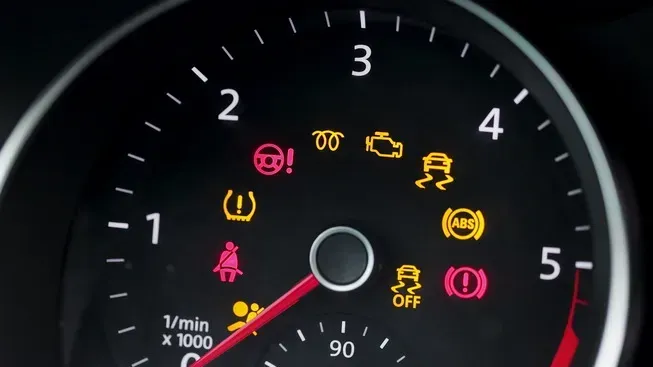
- A battery warning light on the dashboard
- Corrosion around the battery terminals
- Needing a jump-start
- A battery that is several years old
If you experience any of these symptoms, it is worth having the battery tested before it leaves you stranded.
TOS Auto Repair also provides Battery Replacement when testing shows the battery is no longer reliable.
Your Battery Is Only Part of the Starting and Charging System
A no-start condition does not automatically mean the battery itself has failed.
Your battery, alternator, starter, cables, terminals, and other electrical components all work together. A weak alternator, loose battery connection, damaged cable, or another electrical problem can create symptoms similar to a failing battery.
The alternator is particularly important because it recharges the battery while the engine is running and supplies electricity to many of the vehicle's systems.
If the battery repeatedly loses its charge, replacing the battery alone may not correct the underlying issue.
Our technicians can inspect the broader electrical system through our Auto Electrical Service and, when necessary, perform Alternator Replacement.
How Long Does a Car Battery Usually Last?
There is no single replacement interval that applies to every battery.
Battery life can vary based on:
- Climate
- Driving habits
- Vehicle type
- Battery quality
- How frequently the vehicle is driven
- Short-trip driving
- Electrical demands
- Charging system condition
- Maintenance history
Many batteries begin showing signs of reduced performance after several years. In hot climates, battery life may be shortened because of prolonged exposure to high temperatures.
Instead of waiting for a battery to fail based only on age, periodic testing can provide a better picture of its current condition.
Why Fall Is a Good Time for a Battery Test
The transition from summer into fall gives you an opportunity to identify a weakened battery before colder weather puts additional strain on it.
A battery may appear fine when temperatures are warm because starting the engine requires less effort. As temperatures drop, the engine can require more starting power while the battery's available output decreases.
That combination can expose a battery that was already weakened by summer heat.
Having the battery tested now can help you address a developing problem before a cool morning turns into a no-start situation.
What Is Checked During Battery Service?
Depending on the vehicle and symptoms, battery and charging system service may include checking:
- Battery voltage
- Battery condition and available starting power
- Battery terminals and cable connections
- Corrosion around terminals
- Alternator charging output
- Starting system performance
- Visible battery damage or swelling
- Related electrical concerns
If another issue is suspected, additional electrical testing may be recommended.
Do Short Trips Affect Your Battery?
Yes. Frequent short trips can be harder on a battery than many drivers realize.
Starting your vehicle requires a significant burst of electrical energy. Once the engine is running, the alternator needs time to replenish the energy used during startup.
If most drives are only a few minutes long, the battery may not fully recharge between trips. Over time, this can leave the battery chronically undercharged and shorten its service life.
Longer drives periodically give the charging system more time to restore battery power.
Don't Ignore Corrosion Around the Battery
White, blue, or greenish buildup around battery terminals can interfere with the electrical connection between the battery and the vehicle.
Corrosion can contribute to:
- Slow starting
- Intermittent electrical problems
- Charging issues
- Increased resistance in the battery cables
Cleaning corrosion may help restore a proper connection, but heavy corrosion can sometimes indicate an aging battery, damaged terminal, leaking battery, or cable problem that deserves further inspection.
A Battery Check Can Be Part of Preventative Maintenance
Battery testing is only one part of keeping your vehicle reliable as the seasons change.
Fall is also a good time to review other maintenance items such as fluid levels, belts, tires, brakes, and other components that may have been affected by summer driving.
Learn more about our Preventative Maintenance Services and how regular inspections can help identify developing concerns before they become larger problems.
Car Battery Service in Citrus Heights, CA
If your vehicle has been through another hot Northern California summer, now is a good time to make sure your battery is ready for the months ahead.
TOS Auto Repair can test your battery, inspect the charging system, and determine whether a battery replacement or another electrical repair is necessary.
Rather than waiting for your vehicle not to start, schedule a battery check and get a clearer picture of your battery's condition.
Frequently Asked Questions About Car Batteries
Can summer heat really damage a car battery?
Yes. High temperatures can accelerate the chemical reactions inside a battery and contribute to internal deterioration, fluid loss, and corrosion. A battery weakened during summer may not show symptoms until temperatures begin dropping.
How can I tell if my car battery is getting weak?
Common signs include slow engine cranking, clicking during startup, dim lights, intermittent electrical issues, needing a jump-start, or visible corrosion around the battery terminals. Testing is the best way to determine the battery's actual condition.
Should I replace my battery just because it is old?
Not necessarily. Battery age is an important consideration, but actual performance can vary significantly. A battery test can determine whether the battery is still producing adequate starting power or beginning to weaken.
Why does my battery keep dying even though it is fairly new?
A repeated dead battery can be caused by more than the battery itself. Possible causes include alternator problems, loose or corroded connections, an electrical draw while the vehicle is parked, or another charging system issue.
Can an alternator cause battery problems?
Yes. The alternator recharges the battery while the engine is running. If the alternator is not producing sufficient charging voltage, the battery may gradually discharge even if the battery itself is still good.
Does driving short distances hurt a car battery?
Frequent short trips can contribute to battery problems because the alternator may not have enough time to fully recharge the energy used to start the engine.
How often should I have my battery tested?
It is a good idea to have the battery tested periodically, particularly once it has been in service for several years, after periods of extreme heat, or whenever you notice changes in starting performance.
Can you test my battery before replacing it?
Yes. Testing the battery and charging system can help determine whether the battery actually needs replacement or whether another electrical component is contributing to the problem.
Recent Posts